Part of the Functional Body Series
Back pain is one of the most common reasons people seek out massage therapy. In fact, it’s estimated that up to 80% of adults will experience lower back pain at some point in their lives. As massage therapists, understanding the complexity of back pain is essential if we want to offer safe, effective, and lasting support for our clients.
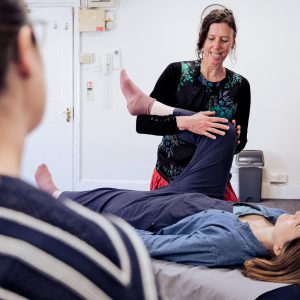
In The Functional Back workshop, we will take a deep dive into the functional anatomy of the back with a focus on the lumbar spine, building your confidence to assess and treat common conditions such as Sciatica, Disc Pathologies, and Facet Joint Syndrome—issues you are highly likely to encounter in clinic. Techniques include sports massage techniques such as Muscle Energy Techniques and Soft Tissue Release. We will explore pain science and the Biopsychosocial Model of Care, ensuring you leave with both practical tools and a compassionate understanding of your clients’ experiences.
This workshop also includes postural and movement assessment, helping you link function with form, and develop strategies for supporting clients through movement-based recovery.
As soon as you enrol, you will gain access to our comprehensive online theory modules so you can arrive in the classroom ready to get hands-on. Our blended approach maximises your practical time with your tutor and fellow students, giving you the space to refine your skills, ask questions, and build your clinical toolkit.
All workshops in the Functional Body Series are CPD approved and come with a certificate upon completion.
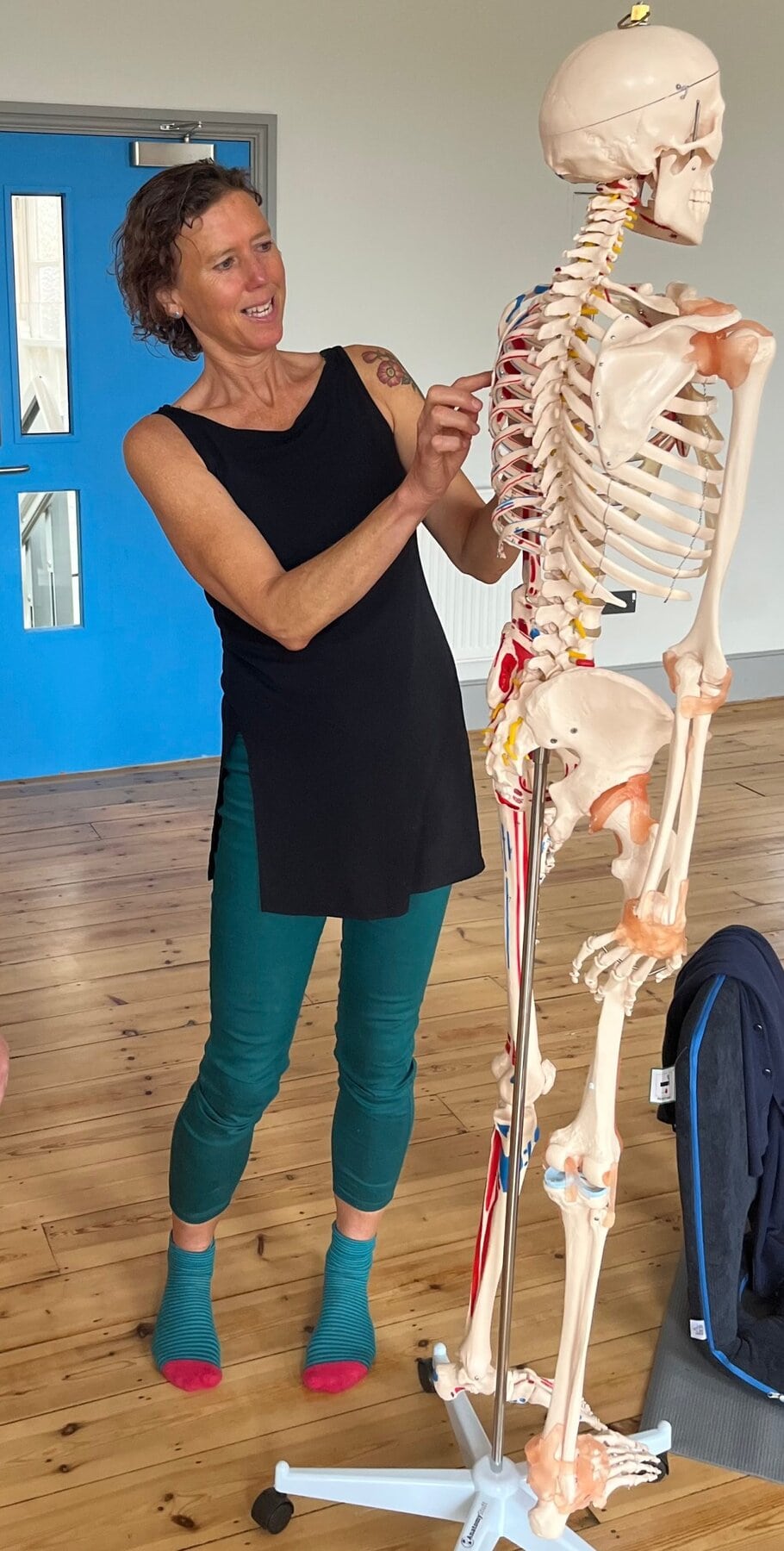
Led by the knowledgeable and inspiring Ruth Bell, this workshop promises to be engaging, practical, and full of insight. Whether you are looking to deepen your anatomical understanding, improve treatment outcomes, or simply gain fresh inspiration for your clinic work, this course offers an excellent foundation.

At the School of Bodywork, we’re passionate about therapist longevity. That’s why we not only teach technique but also focus on practitioner body mechanics, presence, and developing your individual style—so you can thrive in your career for years to come.