The Functional Knee
The Functional Knee
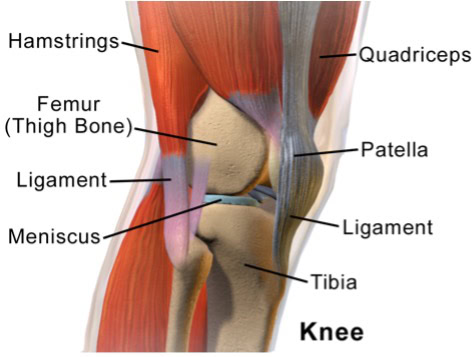
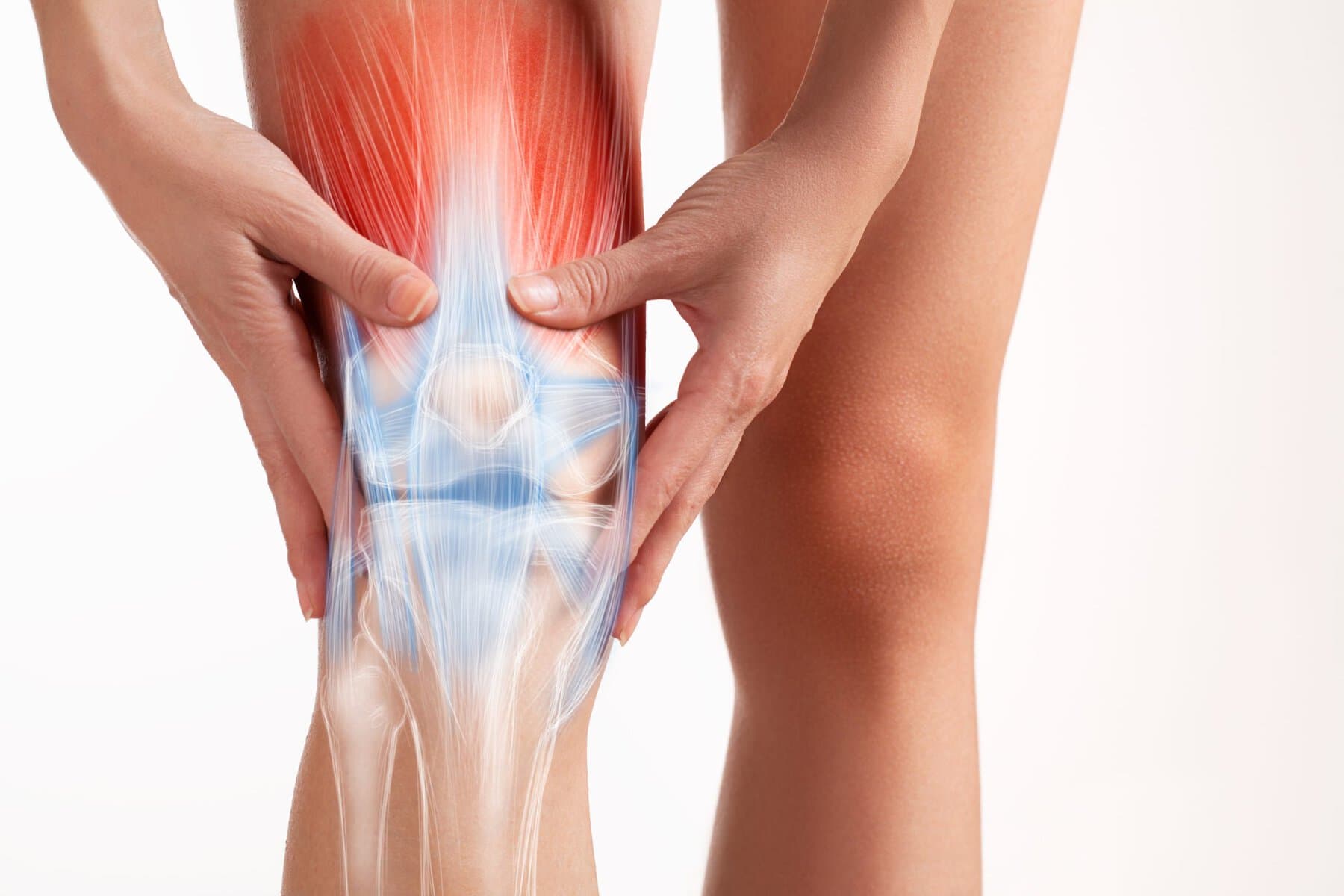
The knee is often described as a hinge joint – but in reality, its function is far more interesting and complex than simply bending and straightening.
Positioned between the foot and ankle below and the hip and pelvis above, the knee could be considered a gateway joint, continually responding to movement and forces travelling through the body in both directions. What happens at the foot can influence the knee; what happens at the hip can influence the knee; and changes at the knee itself can alter the way the whole lower limb and wider body moves.
The Functional Knee forms part of the Functional Body Series, designed to help therapists develop a deeper understanding of individual regions of the body whilst still considering the whole, through anatomy, movement, clinical reasoning and hands-on treatment.
Throughout this two-day practical workshop, you will explore the knee through both structural and functional anatomy, but importantly, you will also experience movement for yourself. Through embodied anatomy and movement exploration, you will begin to feel how changes elsewhere in the lower limb and beyond can influence what happens at the knee.
By experiencing these relationships within your own body rather than simply learning them from a diagram, you can begin to develop a much richer understanding of the clients you see in practice.
We will also challenge some of the traditional beliefs surrounding the knee as a simple hinge joint and explore movement through fascial chains, spirals and whole-body patterns. Rather than asking only “What is wrong with the knee?”, we begin considering what the knee may be responding to elsewhere in the body. At the same time, we won’t lose sight of the knee itself. Localised trauma, injury and structural changes can clearly influence function, so we will consider both what may be happening locally and how the wider body may be contributing or adapting.
Alongside movement and assessment, we will explore common diagnoses including patellar tendinopathy, prepatellar bursitis, Osgood-Schlatter disease, meniscal injuries and osteoarthritis, helping you understand what these diagnoses mean and, importantly, how you can appropriately support clients who present with them within your professional scope.
This workshop will leave you with a deeper appreciation of the knee, greater confidence in observing lower-limb movement and practical ideas that you can immediately begin incorporating into your treatments.
The Functional Knee is part of our Functional Body Series, helping therapists build detailed knowledge of different regions of the body through anatomy, movement, assessment and hands-on treatment.
Each workshop complements the others, allowing you to gradually develop a comprehensive understanding of functional bodywork while continually strengthening your clinical reasoning and confidence across the whole body.
Why you should train with us
The Functional Body Series is designed to help therapists move beyond isolated anatomy and develop a more integrated understanding of movement and function.
The knee provides a perfect example of why this matters. We encourage you to consider why a particular knee may be under strain rather than assuming that the problem begins and ends at the site of symptoms.
A strong emphasis on embodied anatomy also allows you to experience movement relationships within your own body, helping transform theoretical knowledge into something you can actually see, feel and apply in clinic.
As with every School of Bodywork course, the aim is not simply to give you more techniques, but to strengthen your observation, clinical reasoning and confidence as a therapist.
Course overview
This practical two-day postgraduate workshop explores the structural and functional anatomy of the knee within the wider context of lower-limb and whole-body movement.
Combining pre-course online learning with embodied anatomy, movement exploration, clinical discussion and practical hands-on work, you will develop a deeper understanding of how the knee responds to influences from both above and below.
The workshop also explores several common knee diagnoses, helping you understand what they mean and how massage and bodywork therapists can appropriately support clients presenting with them.
Course syllabus
Throughout the workshop you will explore:
- Structural anatomy of the knee.
- Functional anatomy of the knee.
- The knee as a gateway joint.
- Challenging the idea of the knee as simply a hinge joint.
- Embodied anatomy and experiential movement.
- Localised trauma and injury and their effect on knee function.
- Restrictions at the ankle and their effect further up the kinetic chain.
- Limited knee extension during walking.
- Hip rotation and its relationship with knee function.
- The relationship between the foot, ankle, knee and hip.
- Fascial chains and whole-body movement.
- Spiral movement patterns within the body.
- Assessment and movement observation.
- Clinical reasoning when working with knee presentations.
- The role of movement and exercise in supporting knee function.
- Appropriate strengthening and rehabilitation principles within the massage therapist’s scope of practice.
- Simple exercises and movement strategies that may be useful as part of client self-care.
Common Presentations
The course will also provide an overview of common knee conditions and injuries including:
- Patellar tendinopathy.
- Prepatellar bursitis.
- Osgood-Schlatter disease.
- Meniscal injuries.
- Ligament injuries.
- Osteoarthritis.
Rather than simply learning a list of conditions and associated techniques, we will consider what may have contributed to the client’s presentation and how their body has adapted. This may involve a local injury or trauma to the knee itself, but equally the knee may be responding to changes elsewhere – perhaps reduced ankle mobility, altered foot mechanics, limited hip rotation or wider movement patterns.
You will explore how hands-on treatment can form one part of supporting the client, alongside appropriate movement, strengthening, rehabilitation and self-care strategies. The emphasis is not on treating a diagnosis in isolation, but on understanding what the diagnosis means and considering how you can safely and appropriately support the individual client within your professional scope.
Entry requirements
Participants should hold:
- A recognised Level 3 Massage qualification.
- A minimum Level 3 Anatomy, Physiology and Pathology qualification.
If you have limited experience with advanced massage techniques and clinical reasoning, you may also find our Deep Tissue & Advanced Massage Techniques workshop a valuable foundation before attending the Functional Body Series.
This is recommended rather than compulsory.
Course Format
- Blended learning with pre-course online theory.
- Two full practical classroom days.
- Embodied anatomy and movement exploration.
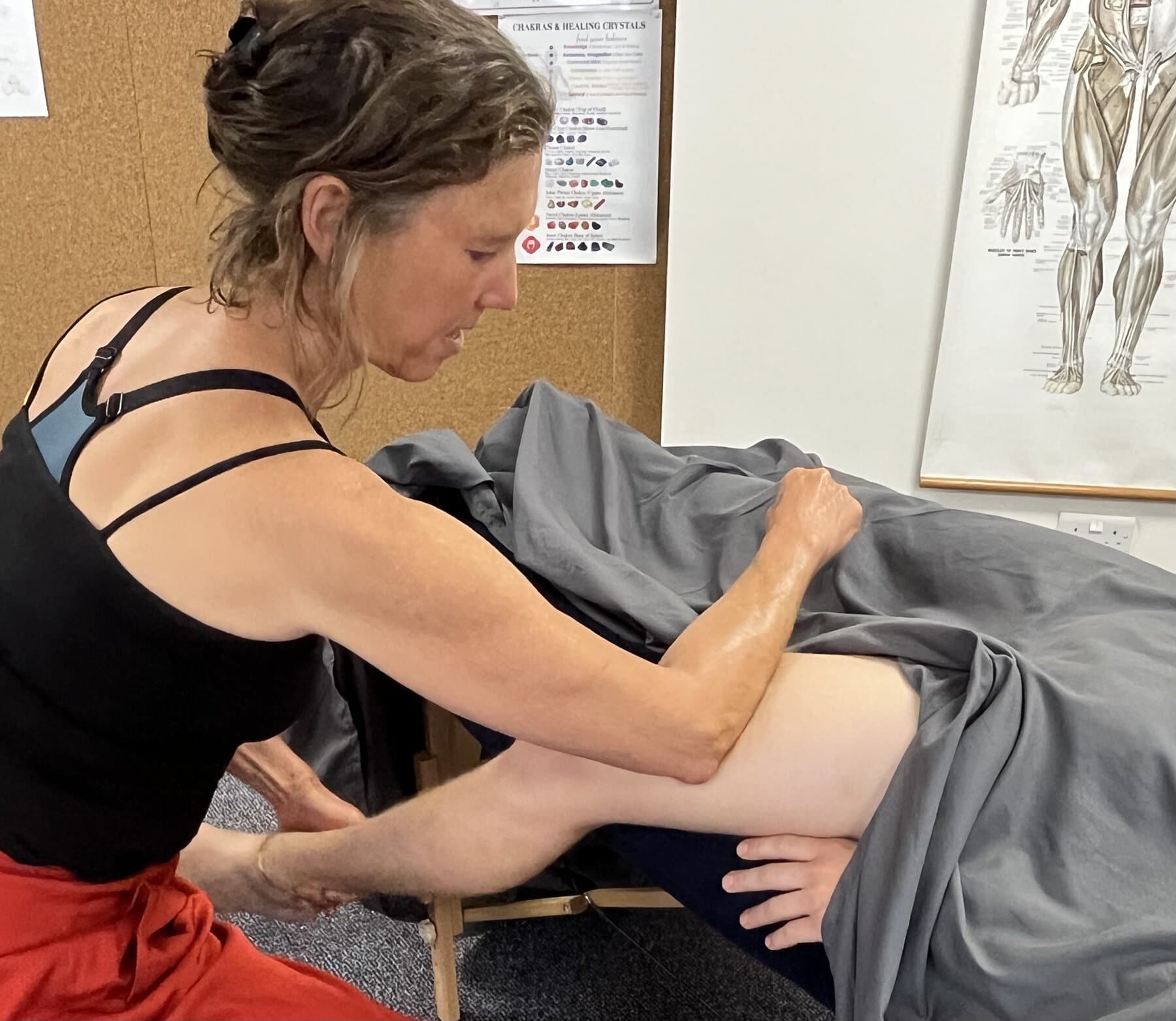
- Practical demonstrations and supervised hands-on learning.
- Assessment and movement observation.
- Clinical discussion throughout the workshop.
The online theory provides the anatomical and theoretical foundations, allowing your classroom time to focus on experiencing movement, asking questions and translating your knowledge into practical clinical skills.
Assessments
There is no formal practical examination.
Students are expected to complete the pre-course online learning and actively participate throughout the practical workshop.
Qualification & Accreditation
The Functional Knee forms part of our Functional Body Series and is CPD Approved by ThinkTree.
Students receive a Certificate of Attendance recognising their continuing professional development.
FAQs
Course Date:
Friday 7 and Saturday 8 May 2027
Course Time:
10:00 am
-
5:00 pm
Location:
The workshop takes place in Exeter, Devon, UK.
Course Fees:
- Early Bird Fee: £295 when you pay your deposit before 7 March 2027
- Deposit required: £175.
- Remaining balance due one month before the course.
- Full Course Fee : £345
Tutor / Tutors
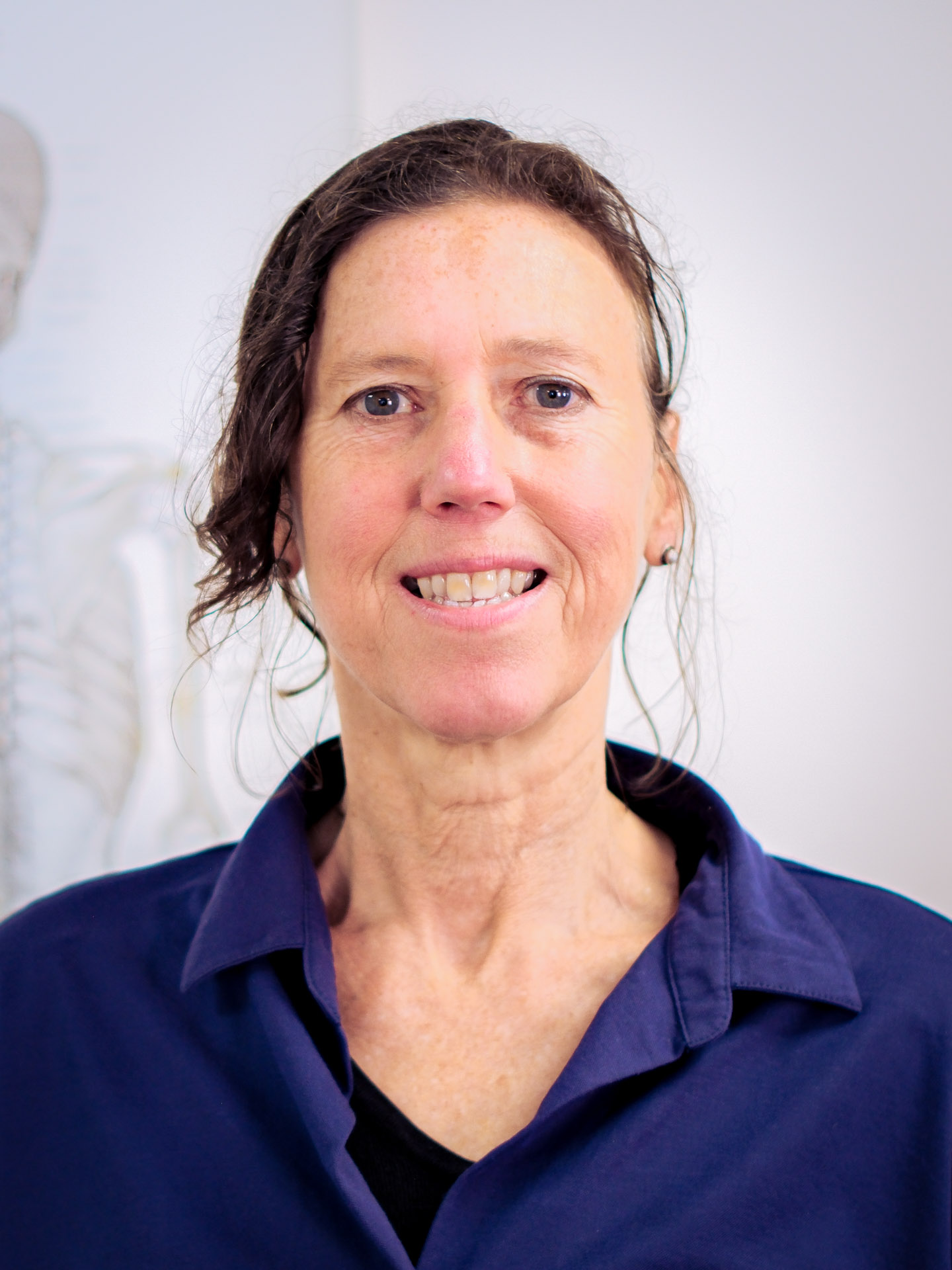
Ruth Bell is an experienced remedial massage therapist and educator with a passion for helping therapists understand movement, function and the relationships that exist throughout the body.
Her teaching goes beyond learning anatomy from diagrams, encouraging students to move, explore and experience anatomical relationships for themselves. This embodied approach helps therapists develop a much clearer understanding of what they are observing when a client stands, walks or moves.
Ruth brings clinical experience, curiosity and current understanding to the Functional Body Series, encouraging discussion rather than rigid thinking and helping students develop confidence in their own assessment and clinical reasoning.