Scar Therapy Practitioner Diploma
Scar Therapy Practitioner Diploma
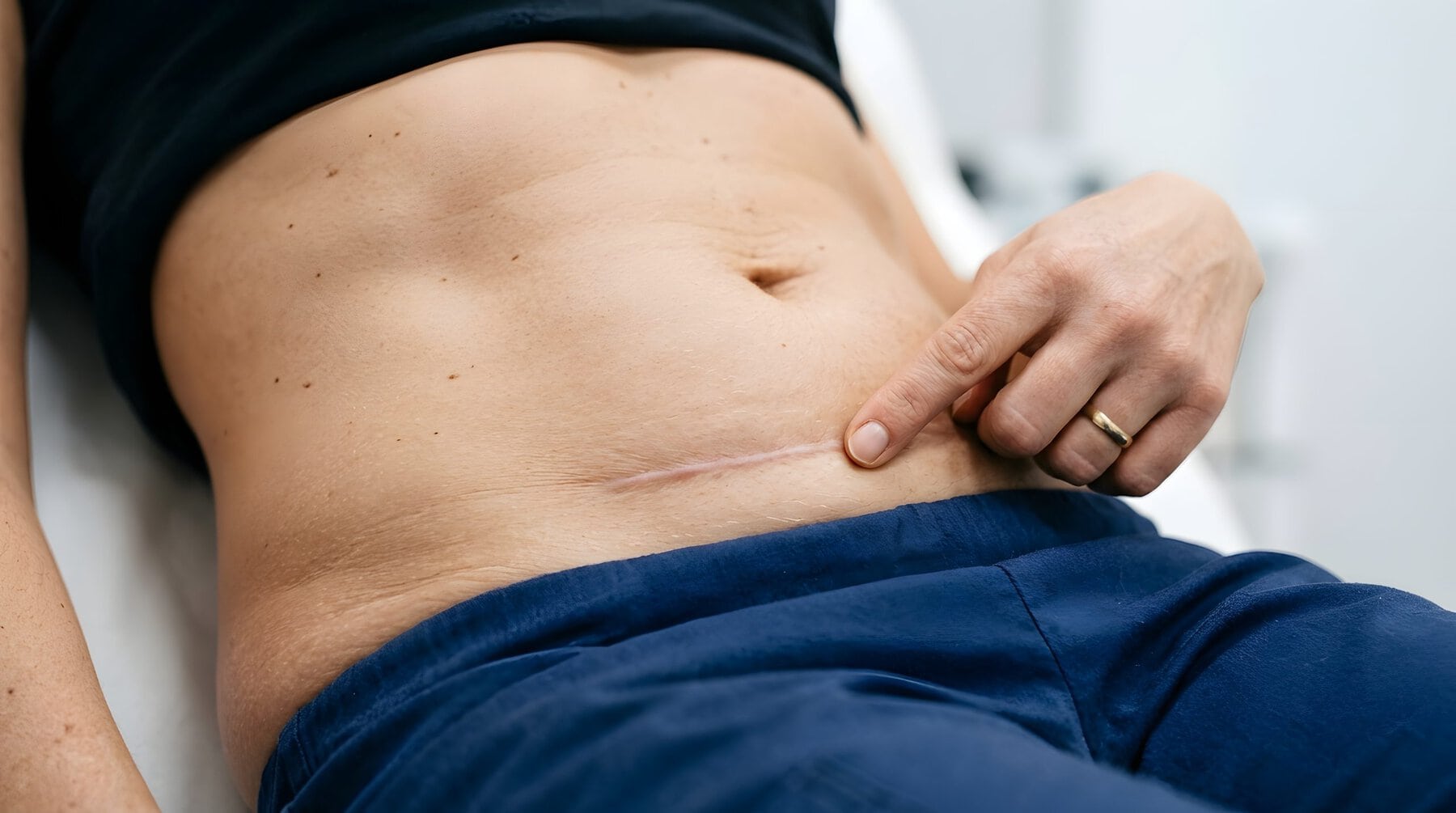
A scar is much more than what we can see on the surface.
Following surgery, injury or trauma, changes within the tissues may extend beyond the visible scar into deeper structures, affecting mobility, sensation, comfort and the way different areas of the body move and relate to one another. For some people, a scar may also be connected to a significant or difficult experience, making sensitive, individual and trauma-informed care particularly important.
Our Scar Therapy Practitioner Diploma has been designed to give qualified therapists a comprehensive understanding of scars and, importantly, a broad range of ways in which they can work with them.
What makes this course particularly different is that it brings together two highly experienced therapists with different but complementary approaches to scar therapy.
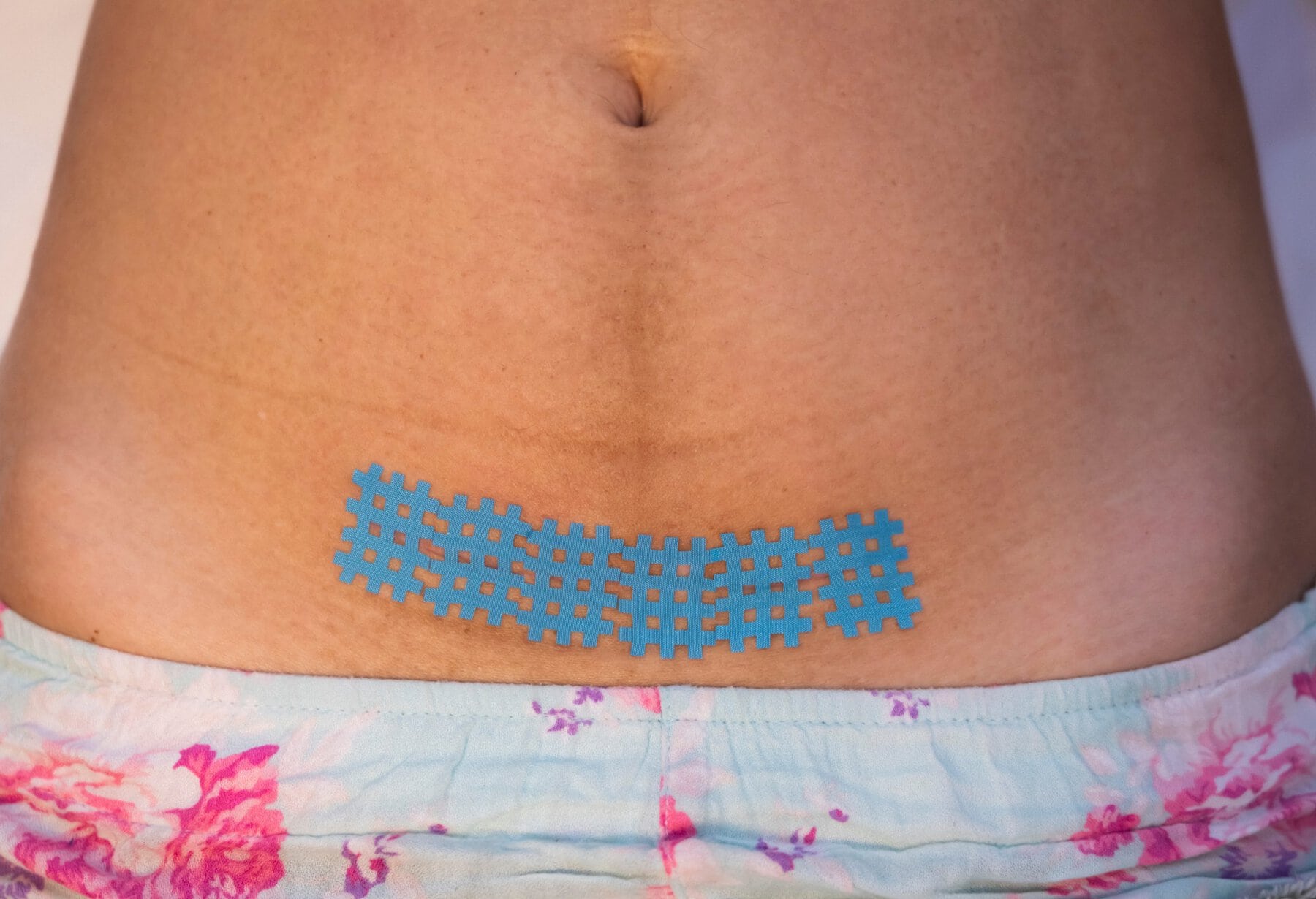
You will learn specific scar treatment approaches including massage, kinesiology taping and negative pressure therapy, alongside a fascial approach that considers how the effects of surgery and scarring may extend beyond the superficial scar into deeper tissues and other areas of the body.
Throughout the course, we will consider the scar within the context of the whole person. You will explore not only the local physical changes associated with scar formation, but also the potential effects on movement, sensation and the wider fascial system, together with the story behind the scar and the impact that surgery, injury or trauma may have had on the individual.
Rather than teaching one prescribed method of scar treatment, this course will help you develop the assessment and clinical reasoning skills to decide what approach may be appropriate, when to use it and how to adapt treatment to the individual in front of you.
The course combines approximately six hours of online theory with four practical classroom days, taught over two weekends. Between the practical weekends you will be required to practice working with a variety of scars, applying and reflecting on the techniques you have learned before returning to develop your skills further.
You will also work with real clients with scars during the classroom training, allowing you to bring assessment, clinical reasoning and practical skills together within a supported environment.
By the end of the course, you will have developed not simply a collection of scar treatment techniques, but a much broader understanding of how to assess and work with scars confidently, sensitively and individually.
Why you should train with us
There is no single way to work with a scar.
Different scars, different bodies and different people require different approaches, which is why this course deliberately brings together two therapists whose clinical experience and approaches to scar therapy complement one another.
Rather than teaching one routine or treatment protocol, we want you to understand the tissues you are working with, develop your palpatory and assessment skills and make informed decisions about which approach may be most appropriate.
You will explore local scar treatment alongside the wider effects that surgery, injury and scarring can have throughout the body, combining scar massage and other scar-specific approaches with fascial work and whole-body awareness.
The course also recognises that scars have stories. Surgery, accidents, illness and other events that result in scarring may have had a significant physical and emotional impact on the person receiving treatment. Trauma-informed practice, communication, consent and sensitivity therefore form an important part of the way we approach this work.
As with all School of Bodywork training, the emphasis is on developing thoughtful, adaptable therapists rather than simply teaching techniques.
Course overview
Course Overview
This comprehensive blended-learning Scar Therapy course combines:
- Approximately 6 hours of online theory.
- Four practical training days delivered over two weekends.
- Supervised practical work with real clients with scars.
- Practical experience between the two teaching weekends.
- Treatment reports to encourage reflection and clinical reasoning.
- Post-course case studies to consolidate your learning.
Throughout the training you will explore both the science of scar formation and the practical application of a wide range of treatment approaches.
By the end of the course you will be able to:
- Understand wound healing and scar tissue formation.
- Identify different types of scars.
- Assess scars and consider their potential impact on the body, both physically and emotionally.
- Recognise when treatment may or may not be appropriate.
- Understand different scar treatment approaches and when each may be useful.
- Create individualised treatment plans and measure treatment outcomes.
- Provide hands-on scar therapy using a variety of massage and fascial techniques.
- Use negative pressure therapy and kinesiology taping appropriately.
- Consider superficial scars alongside deeper restrictions and adhesions associated with surgery or injury.
- Work with scars within a sensitive, trauma-informed approach.
- Confidently provide clients with appropriate scar-care and self-treatment advice.
More Than the Scar You Can See
Scars tell us something about what the body has experienced, but the visible scar is only one part of that story.This course brings together different perspectives on scar therapy so that you can look beyond a single technique or protocol and begin to understand the scar within the context of the tissues, the wider body and the individual person.Through theory, extensive practical experience, clinical practice and reflection, you will develop the confidence to assess, reason and adapt – choosing the approach that is appropriate for the person and scar in front of you.That is ultimately what we want this course to develop: not simply therapists who know how to perform scar techniques, but thoughtful Scar Therapy practitioners who understand why, when and how to use them.
Course syllabus
Online Theory
Approximately six hours of online learning will introduce the theoretical foundations needed before beginning your practical training.
Topics include:
- Introduction to Scar Therapy.
- The basics of wound healing and scar tissue formation.
- Different types of scars.
- The physical effects of scarring.
- The emotional impact of scars, surgery and injury.
- Trauma-informed considerations when working with scars.
- Consultation and scar assessment.
- Contraindications and precautions.
- Measuring treatment outcomes.
- Different approaches to scar treatment.
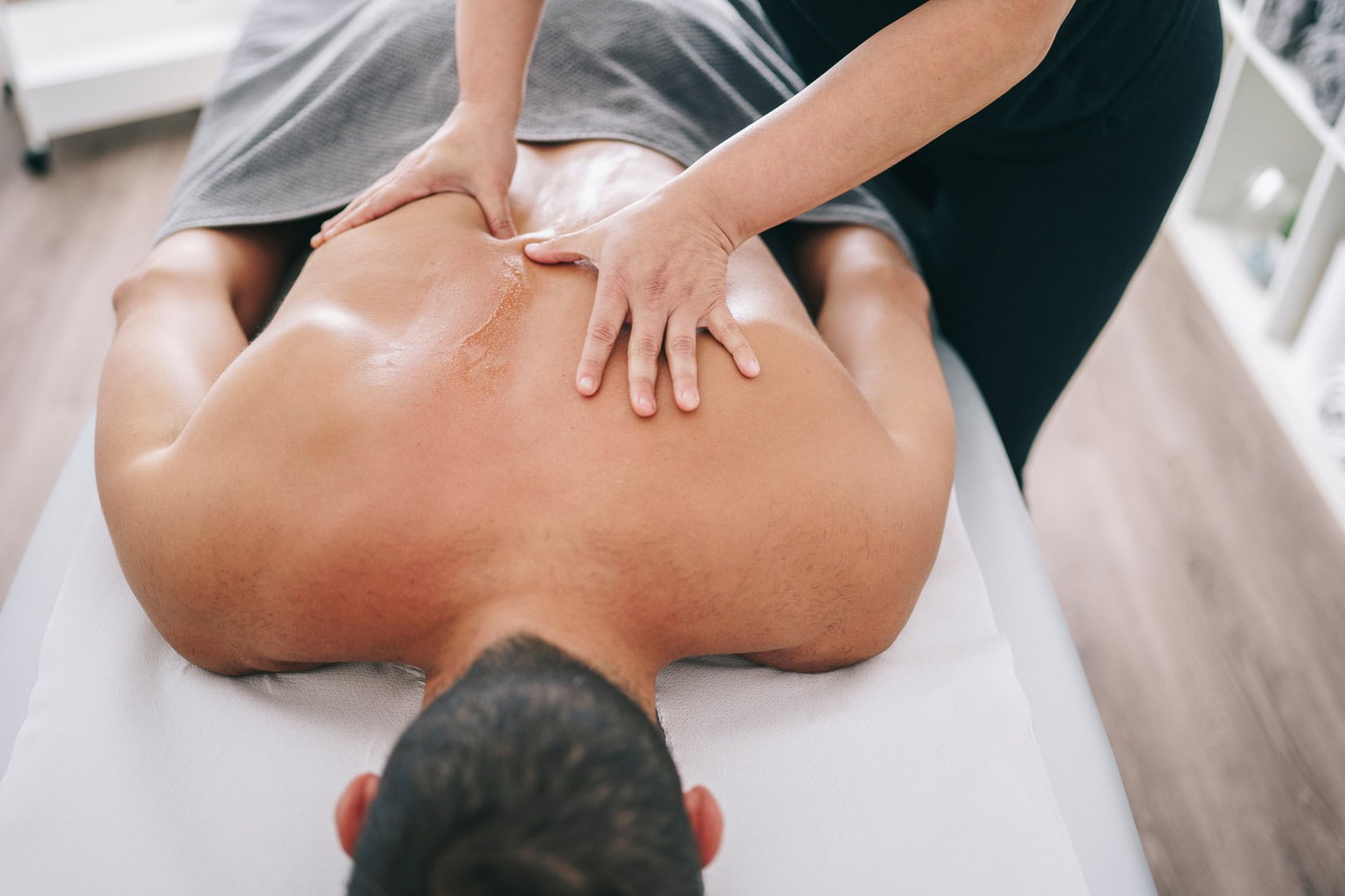
- Scar massage.
- Fascial approaches to scars and adhesions.
- Negative pressure therapy.
- Kinesiology taping, including 6D Tape.
- Silicone and other medical scar-management approaches.
- Scar care and appropriate home-care advice.
Practical Training
During the four classroom days you will bring the theory into practice through demonstration, discussion and extensive supervised hands-on work.
Practical learning will include:
- Visual and palpatory scar assessment.
- Assessing tissue mobility and restriction.
- Developing sensitivity and confidence when touching scars.
- Scar massage techniques.
- Fascial assessment and treatment approaches.
- Exploring deeper restrictions and adhesions associated with surgery and injury.
- Negative pressure therapy, including cupping.
- Kinesiology taping.
- Use and discussion of silicone scar products.
- Treatment planning and clinical reasoning.
- Adapting pressure, depth and technique to the individual scar.
- Integrating different approaches within the same treatment.
- Appropriate scar-care and self-treatment advice.
You will also have the opportunity to work with real clients with scars during the practical training, giving you invaluable experience of assessment, communication, treatment planning and adapting your approach to the individual.
Entry requirements
This is a postgraduate course for qualified therapists.
Minimum of Level 3 Massage or similar bodywork modality and minimum Level 3 Anatomy, Physiology & Pathology
Course Format
The course is delivered through a combination of online learning, two practical weekends and independent clinical practice.
Before Weekend One
You will complete approximately six hours of online theory, giving you the essential background knowledge in wound healing, scar formation, assessment, contraindications and treatment approaches before beginning the hands-on training.
Practical Weekend One
The first weekend establishes the foundations of scar assessment and treatment.
Rather than separating the two tutors’ approaches, you will begin exploring different ways of assessing and working with scars from the outset, developing your palpatory skills and learning how treatment choices should be guided by what you find rather than by a predetermined routine.
Between the Two Weekends
This is an important part of the learning process.
You will work with a number of different scars, experimenting appropriately with the techniques and approaches introduced during the first weekend.
You will submit 10 treatment reports, documenting your assessment, treatment choices, responses and reflections.
The emphasis is not simply on what you did, but on developing your ability to consider why you chose a particular approach and how the tissues and client responded.
Practical Weekend Two
You will return with real clinical experience to discuss and build upon.
The second weekend will allow you to refine your existing skills, explore additional approaches and work with more complex presentations. You will continue integrating scar massage, fascial approaches, negative pressure therapy and taping while developing greater confidence in clinical reasoning and treatment planning.
You will also have the opportunity to work with real clients with scars under tutor supervision.
Assessments
Assessment has been designed to encourage you to integrate your learning into real clinical practice rather than simply demonstrate individual techniques.
Between Practical Weekends
You will complete:
10 Scar Therapy Treatment Reports
These provide an opportunity to practise working with different scars and reflect upon your assessment, treatment choices and client responses before returning for the second practical weekend.
Following Weekend Two
You will complete:
3 case studies – 3 different clients treated 3 times each.
These case studies will demonstrate your ability to assess, plan, adapt and evaluate a course of scar therapy treatment.
You will have three months following the final practical weekend to submit your completed case studies.
Qualification & Accreditation
Successful completion of the practical training and required coursework will lead to the award of the Scar Therapy Practitioner Diploma.
ThinkTree Approved
FAQs
Do I need previous experience treating scars?
No. The course has been designed to take qualified therapists through the foundations of scar formation, assessment and treatment before progressing into more detailed practical application.
Will I get to work with real scars during the course?
Yes. Working with real clients is an important part of the training. You will have the opportunity to assess and treat people with scars during the practical sessions with support and guidance from your tutors.
Do you teach one specific scar massage routine?
No. This is deliberately not a routine-based course.
You will learn a range of techniques and approaches, but more importantly you will develop the assessment and clinical reasoning skills to decide what may be appropriate for the individual scar and client in front of you.
Does the course only cover the visible scar?
No. This is one of the important differences in our approach.
Alongside specific treatment of the visible scar, we explore how surgery or injury may create restrictions and adhesions within deeper tissues and how the effects may potentially be experienced elsewhere in the body.
Do you cover the emotional impact of scars and trauma?
Yes. We recognise that the event behind a scar can sometimes be as significant as the scar itself.
The course considers the potential emotional impact of surgery, injury and scarring and explores how to work sensitively within a trauma-informed approach. This does not mean that scar therapy is presented as a treatment for psychological trauma; rather, it helps you recognise the whole person and work appropriately within your professional scope.
Will I learn cupping and taping?
Yes. Negative pressure therapy and kinesiology taping form part of the course alongside scar massage and fascial approaches. You will also learn about 6D Tape and the use of silicone and other approaches to scar management.
Course Date:
Starting March 2027 - Part One: 15 & 16 March 2027. Part Two: 26 & 27 April 2027.
Starting September 2027 - Part One: 25 &26 September 2027. Part Two: 6 & 7 November 2027
Course Time:
10:00 am
-
5:00 pm
Location:
The practical training takes place in Exeter, Devon, UK.
Online theory is completed through the School of Bodywork learning platform before and alongside the practical elements of the course.
Course Fees:
Course Fee: £725
Secure your place with a £185 deposit, followed by:
3 monthly instalments of £180
This allows you to spread the cost of the training while securing your place on the course.
Tutor / Tutors

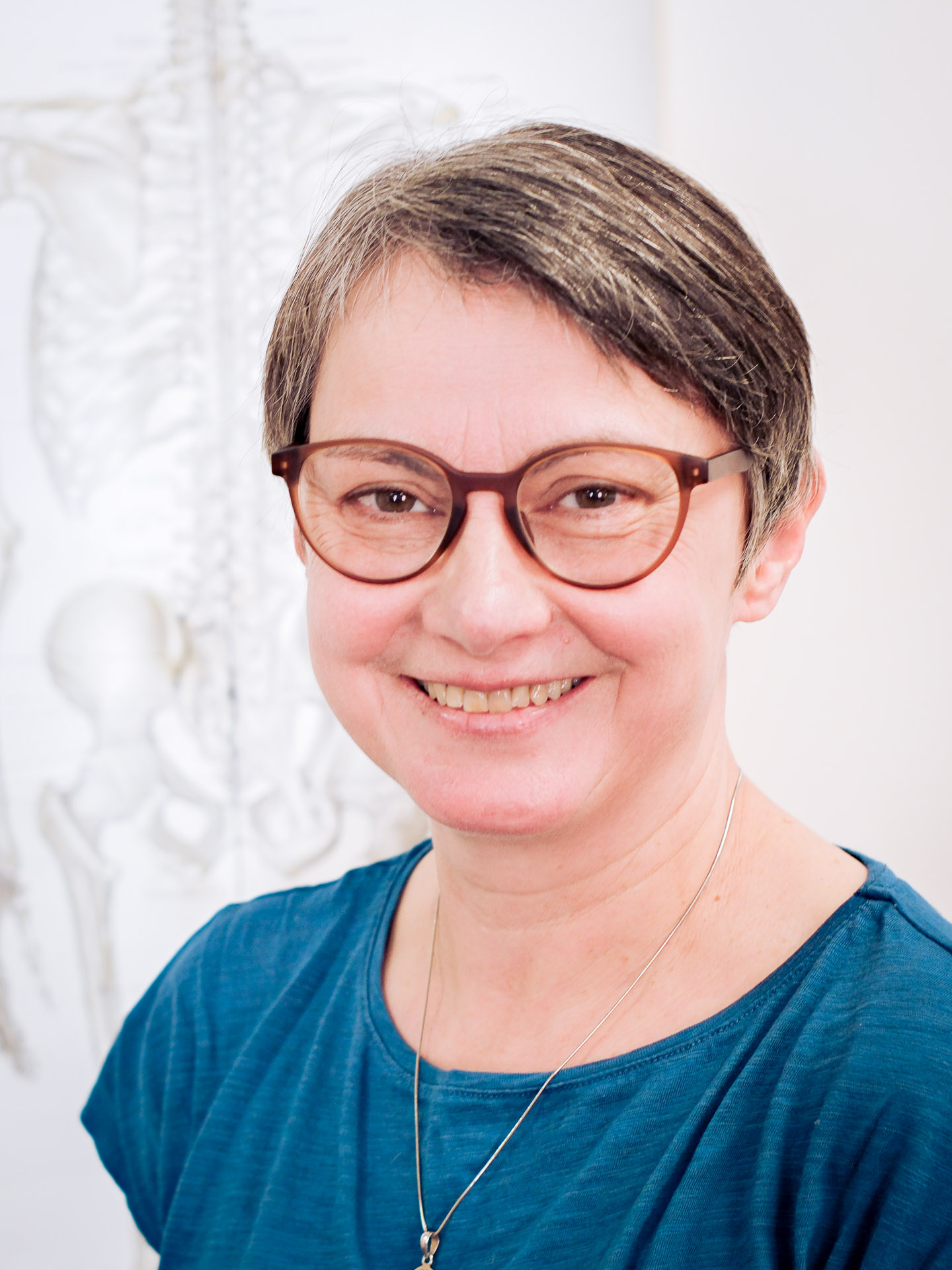
Lisa Tate brings extensive clinical knowledge in working with all varieties of scar tissue. Her practical approach and understanding of the physiological effects of scarring throughout the body will help you understand the impact scars can have and also how to effectively work to restore health and function to the tissues after injury/surgery.
Louise Mockford brings her experience in fascial bodywork and psychology to approaching scar therapy. Her approach focuses more on the psychological impacts of scars and how they may effect the wider fascial network.
Both Louise and Lisa place particular emphasis on understanding the individual, developing sensitivity through touch and recognising that the effects of a scar may extend well beyond the area that can be seen.